
Manual vs. Automated Industrial Tape Application: Reducing Errors and Material Waste
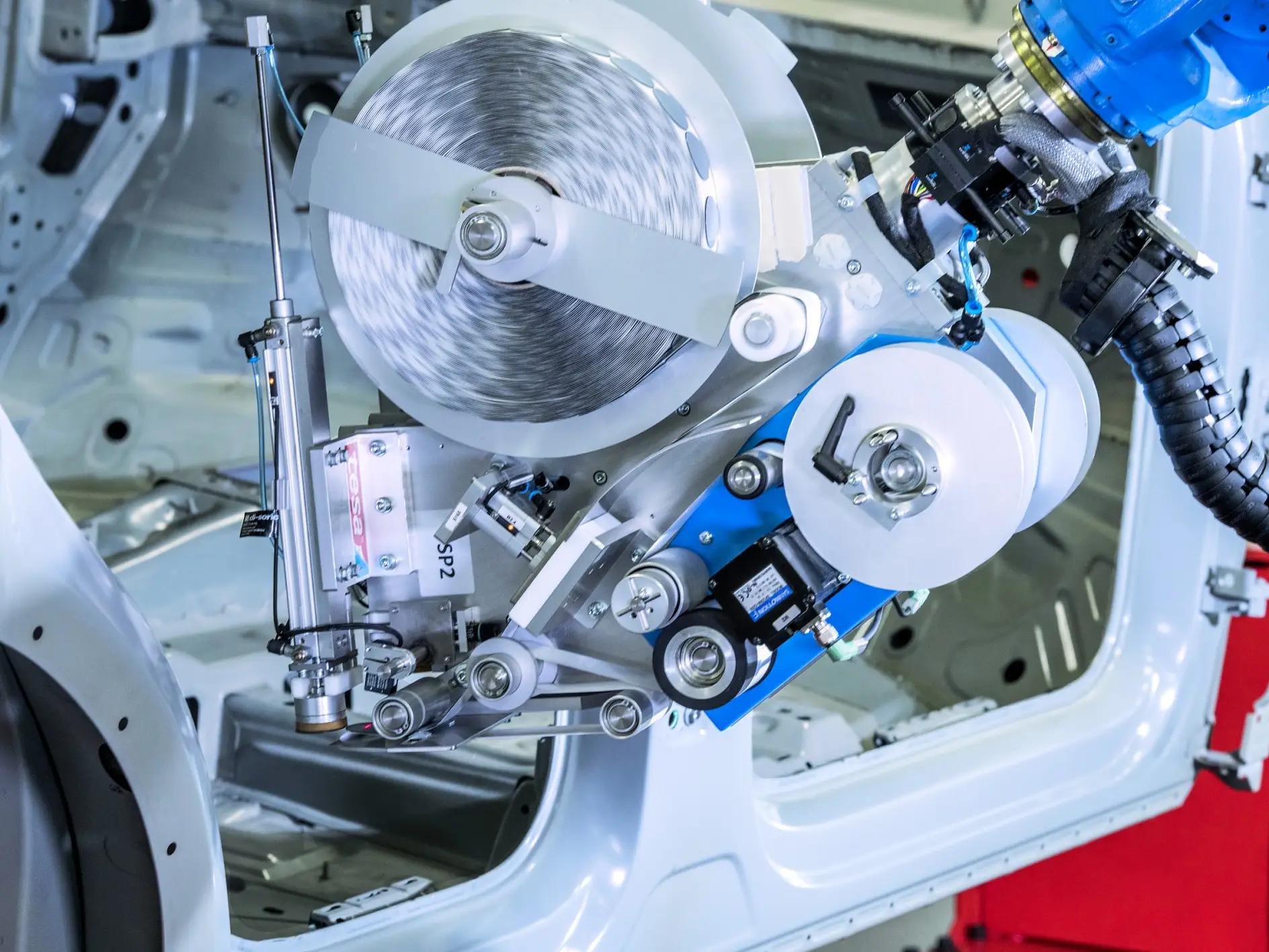
Industrial tape application may seem like a simple step, but in automated manufacturing, small inconsistencies can create costly problems.
Manual application is often practical for prototypes, low-volume production, or assemblies that require frequent changes. However, as production volumes increase, manual processes can introduce variation in tape placement, pressure, alignment, and finished part quality.
A tape applied a few millimetres off target may interfere with another component, reduce the intended bonding area, or require the assembly to be reworked. Operators may also use more material than necessary, especially when tape is cut by hand or applied from bulk rolls.
Automated tape application can improve consistency by controlling:
Tape position and alignment
Application pressure
Part dimensions
Cut length
Production speed
Automation can also reduce excess material use. Instead of manually cutting tape during assembly, manufacturers can use precision-converted adhesive components supplied in repeatable shapes, sizes, and presentation formats.
For example, die-cut adhesive parts can be supplied on rolls, sheets, or liners designed to work with automated dispensing and placement equipment. This can reduce scrap, simplify handling, and help maintain consistent cycle times.
However, successful automation involves more than selecting a machine. The adhesive, liner, part geometry, roll configuration, and release characteristics must all work together.
For engineers, this means considering the tape application method early in the design process. For purchasing teams, it means looking beyond the price per roll and evaluating total applied cost, including labour, waste, downtime, and rework.
The right industrial tape application strategy can improve more than bonding performance. It can create a cleaner, more repeatable, and more efficient automated manufacturing process.
Considering a move from manual to automated tape application? Contact Muir Tapes & Adhesives to discuss your process, materials, and production goals. We can help identify a converted adhesive solution designed to improve placement accuracy, reduce waste, and support efficient manufacturing.