
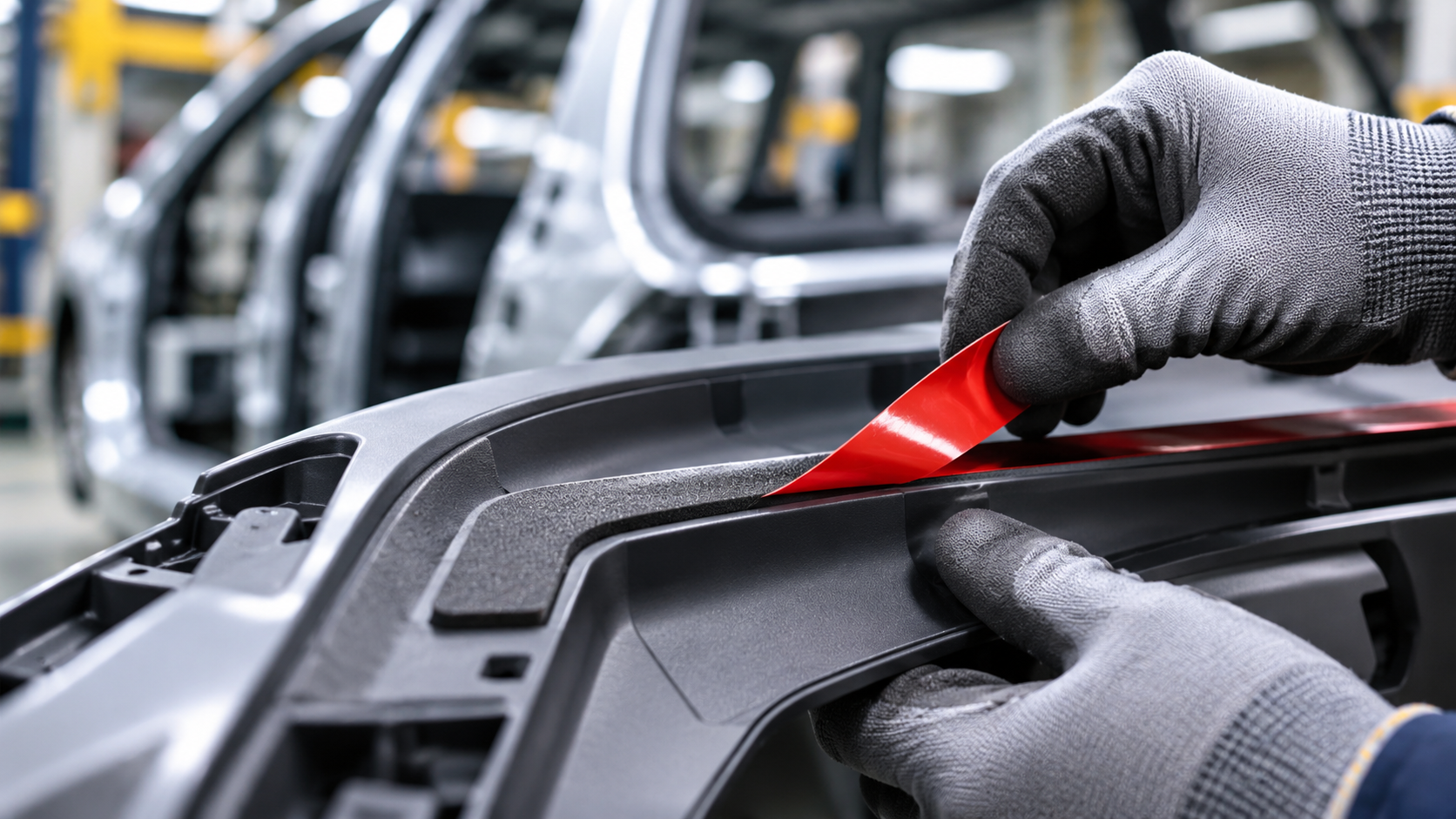
An adhesive bond that performs well during initial testing doesn't always deliver the same results in production or real-world operating conditions.
In transportation manufacturing, adhesive performance depends on more than the material itself. Surface preparation, substrate compatibility, environmental exposure, and application methods can all influence long-term reliability.
Understanding where failures originate is the first step toward preventing them.
1. Surface Preparation Matters
Even a high-performance adhesive can struggle when applied to a contaminated surface.
Oils, dust, release agents, and other residues can interfere with adhesion. Inconsistent cleaning procedures can also produce unpredictable results across production runs.
Establishing appropriate surface preparation procedures helps create more consistent bonding conditions.
2. Not All Substrates Behave the Same
Transportation assemblies often incorporate metals, plastics, composites, and painted surfaces.
Some materials, particularly low-surface-energy plastics, can be challenging to bond without specialized adhesive technologies or surface treatments.
Selecting an adhesive compatible with the substrates involved is essential to achieving reliable performance.
3. Environmental Conditions Can Affect Performance
Transportation components may experience temperature fluctuations, humidity, vibration, and exposure to chemicals throughout their service life.
An adhesive that performs well at room temperature may behave differently under these conditions.
Understanding the application's operating environment helps determine which adhesive properties and testing requirements matter most.
4. Application Methods Influence Results
Even the right adhesive can underperform if it isn't applied correctly.
Insufficient application pressure, inconsistent placement, inadequate dwell time, or improper handling can compromise bond performance.
Custom converting can help address some of these challenges by providing precision die-cut components, application-friendly liners, and consistent part presentation.
Preventing Failures Starts with the Right Solution
Reliable adhesive performance requires considering the entire application—not just selecting a tape or bonding material.
At Muir Tapes & Adhesives, we work with manufacturers to evaluate application requirements, identify suitable adhesive technologies, and convert materials into production-ready components.
Experiencing bonding challenges in your transportation assembly? Connect with the MTA team to explore how we can help you find a solution that sticks!